Thursday, 26 May 2016

Tuesday, 10 May 2016
Quote Of The Week 10
If I am walking with two other men, each of them will serve as my teacher. I will pick out the good points of the one and imitate them, and the bad points of the other and correct them in myself.
Confucius
Wednesday, 4 May 2016
Frog Life
We get quite a few questions and enquiries from local children and schools close to the reserve particularly about the fascinating life cycle of the Frog . Chloe has recently asked what happens to the baby frogs - Andrew - What are baby Frogs Called and Bethany - How high can frogs jump Well there is some good news this Spring. Below is a picture of Billy The Frog with his new family - Little Billy and they will be jumping around nature reserves this Spring - Phillip Yr 7 - Is that why its called Spring ?


Monday, 4 April 2016
A visit From The Queen
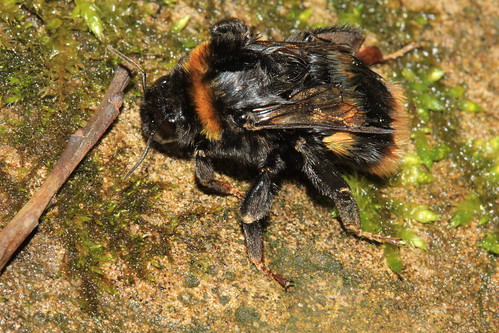
Drying off in the early morning Sunshine The Queen of The Buff Tailed bumblebee one of a number of Bumblebee and Solitary Bee found in the Spring Time


Saturday, 26 March 2016
Bugs Bees Flowers & Toads !!
Lots of Bugs Bees Flowers and Toads Today!!!
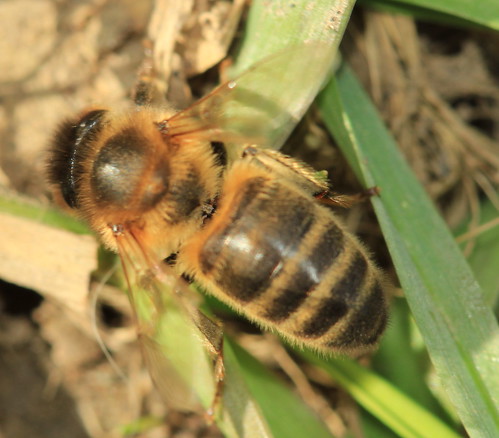
Honey Bee Apiis melifera
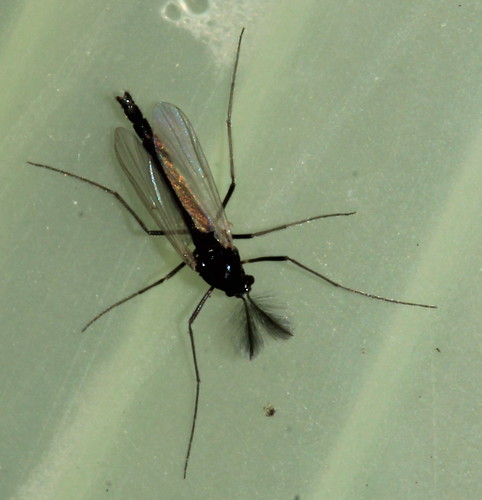
Midge ( Non-Biting)
Tuesday, 22 March 2016

Saturday, 12 March 2016

Recents Spring Moths
March Moth 8
Pale brindled Beauty 1
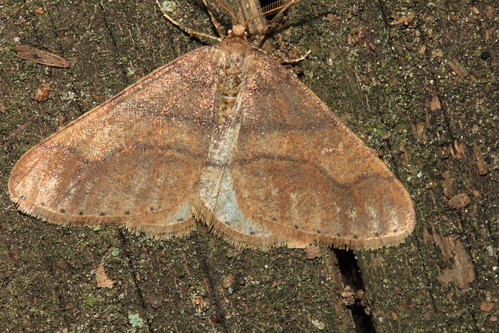
Dotted Border 4
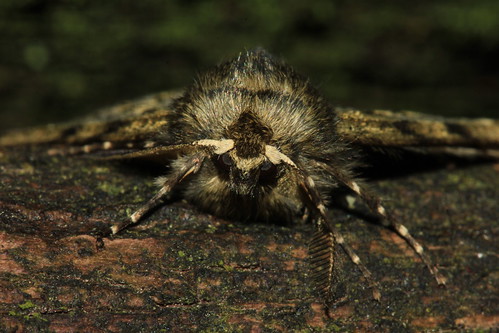
Chestnut 1
Clouded Drab 1
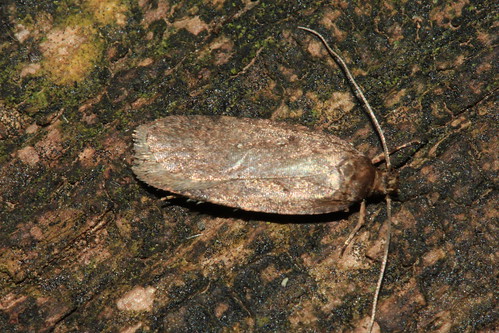
Agonoptrix her 1
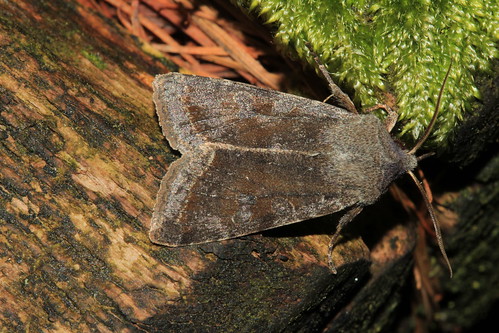
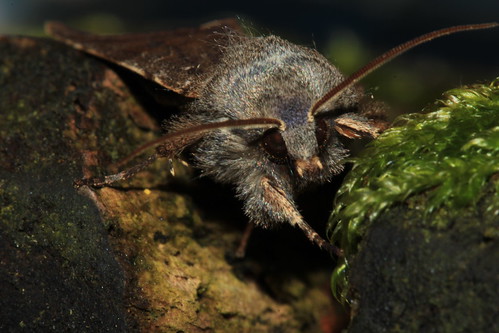
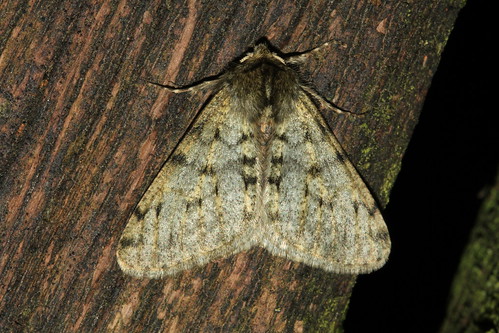
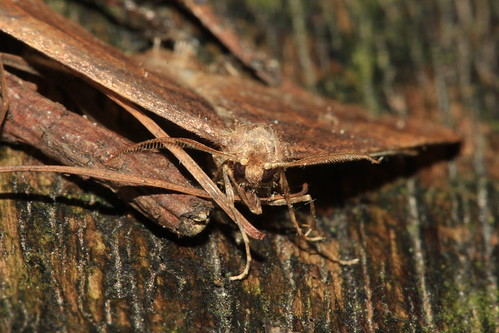
Pale brindled Beauty 1
Dotted Border 4
Chestnut 1
Clouded Drab 1
Agonoptrix her 1
Weather
Cool Still Previous days weather wet / damp / rain. MV Lamp
Other Entomology
Large colonies of Orange Ladybird abundant - these are a fungal eating species which agregate in large numbers
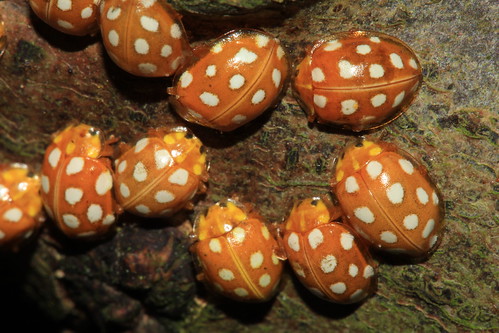
Other Entomology
Large colonies of Orange Ladybird abundant - these are a fungal eating species which agregate in large numbers
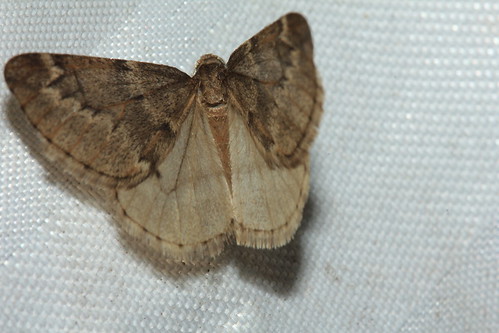
73.242 BF2188 Clouded Drab Orthosia incerta
32.018 BF688 Agonopterix heracliana ( Worn Specimen)
70.247 BF1926 Pale Brindled Beauty Phigalia pilosaria
70.255 BF1934 Dotted Border Agriopis marginaria
70.245 BF1663 March Moth Alsophila aescularia
Tuesday, 2 February 2016
Life Amongst The Lichens
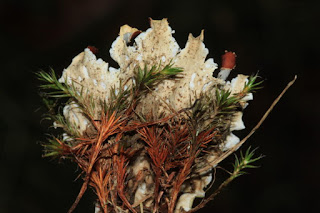
The Lichen Shown below is one of the Dog Lichens Peltigera sp Peltigera is a genus of approximately 91 species of foliose lichens It is possibly Peltigera praetextata or Peltigera membranacea .The leaf area showed no visible isidia which would be more deinitive for membranacea however there are a number of similars which would require a more detailed analysis such as microscopic spore work .The Large large red-brown apothecia like varnished nails are reproductive structures .The shots below show some of the features of this "Dull Green Leaf Like Lichen" All species of Peltigera associate with the nitrogen-fixing cyanobacteria Nostoc which can make them somewhat toxic but an important component of ecological cycles Fixing nitrogen into the soil. This sample was found on compacted acid shale with small clumps of poorly established heather as might be expected of this habitat

Rhizines


in situ
 Apotheca




Friday, 29 January 2016
Goosanders
Facts

- Goosanders are a Freshwater diving duck,
- They are in a Family of Ducks called Sawbills because of their narrow bills with saw-like 'teeth' which are good for gripping fish.
- Goosanders are excellent at fishing, but their diet, which includes Salmon and Trout, and the ecosystem and water quality of Cromwell Bottom is conducive to this relationship
- The male Goosander has a dark green head, a black back and a long, red bill with a hook at the tip. The white sides and breast sometimes have a pink glow.
- The female is grey with a gingery or rufous brown head and a white throat.
- Males may not be seen in Summer as it is known that the this species has a unique migratory behaviour where it will leave for the FFjords of Norway in Summer to Moult returning in Nov Dec Females remain in this country with a few solitary males to moult
- Goosanders Mergus merganser is also known as Common Merganser Mergus merganser
- They have an estimated life Span of 7 years
- Common Mergansers typically nest in tree cavities wet woodland areas and around large crack willows close to water
- Goosanders are mainly a River Duck and is similar to the Red breasted merganiser which tends to shallower waters of coastal nature Eg estuarines etc
Monday, 19 October 2015
Garden Actinics 1923 Feathered Thorn 1760 Red-Green Carpet
20th October 2015
Actinic 10W
1923 Feathered Thorn Colotois pennaria ABH 70.244 x1
1760 Red-green Carpet Chloroclysta siterata 70.095 x1
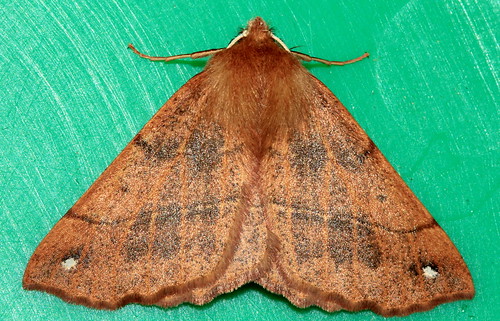
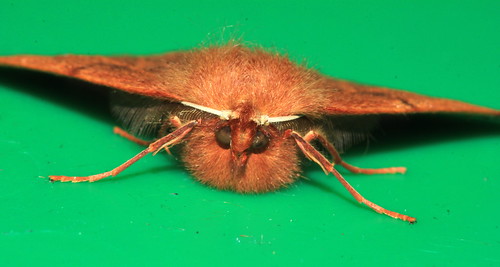
1760 Red-green Carpet Chloroclysta siterata 70.095
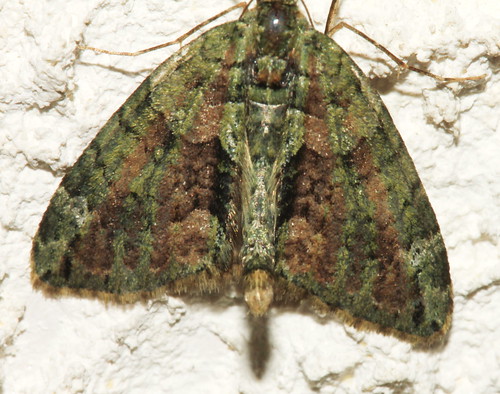
Actinic 10W
1923 Feathered Thorn Colotois pennaria ABH 70.244 x1
1760 Red-green Carpet Chloroclysta siterata 70.095 x1
1923 Feathered Thorn Colotois pennaria ABH 70.244
1760 Red-green Carpet Chloroclysta siterata 70.095
Tuesday, 6 October 2015
DaNES Insect Exhibition Saturday 21st November 2015 11.00am-16.00pm
The DaNES Insect Exhibition which is being held at Nottingham Trent
University on Saturday 21st November between 11.00am-16.00pm
From Tom Hubbard of the Northern Coleopterists' .There is a PDF here if any one is interested
PDF Exhibition Poster
From Tom Hubbard of the Northern Coleopterists' .There is a PDF here if any one is interested
PDF Exhibition Poster
Monday, 28 September 2015
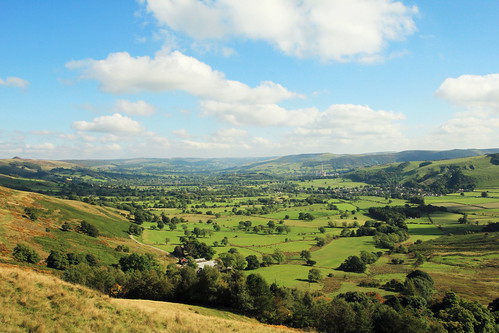
Hope Valley , Derbyshire
Yesterdays Autumnal Weather on the Slopes of Mam Tor Derbyshire looking onward up the Hope Valley
Sunday, 20 September 2015

Monday, 14 September 2015
Quiz - Mystery Floristic
A Quick Quiz Can any one nail this much maligned plant.
With the end of season approaching floristics are becoming harder to find Nettle and Ivy set aside and insects more urgent in their serch for sustainance . Ivy is always a ready source of Red Admiral end of October early November sun permitting
Rather than tell you want the plant is I have put the images up for YOU to identify , suggestions in comments
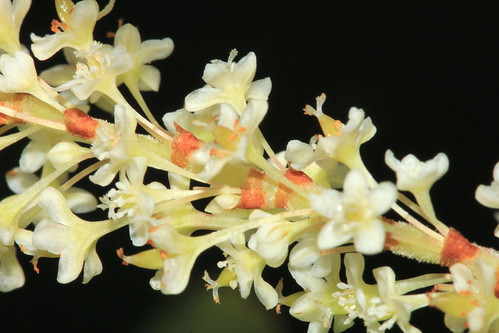
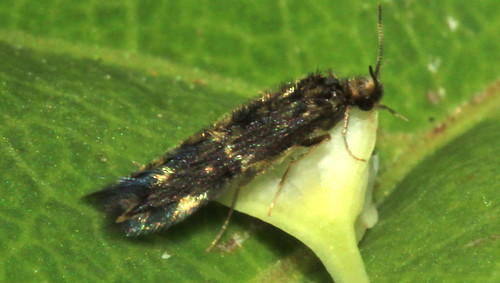
Although to most it seems baron and bereft here is a sequence of creatures feeding or utilising it today I counted at least 36 species in an hour its thick stems can also provide shelter and nesting site for small birds like Wrens to nest and Shelter
Araneus diadematus Orb Web Spider
Metalina mengei/metellina Orb Web Spider
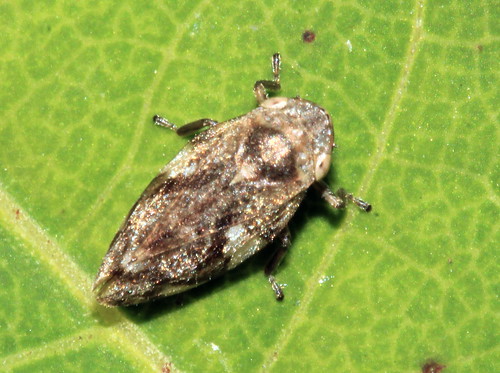
Philaenus spumarius Froghopper
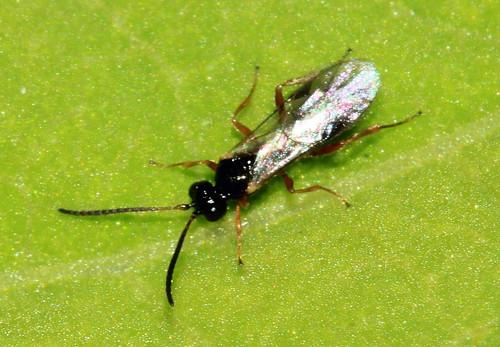
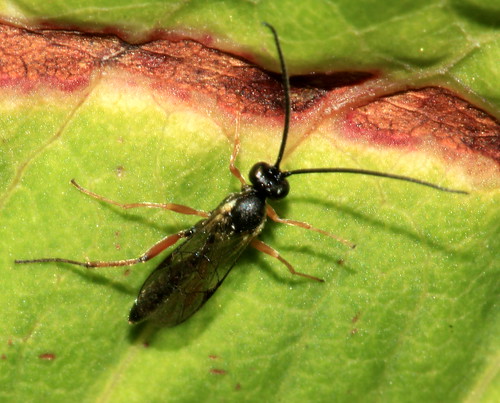
Ichneumon Wasp x2 Species
Apis melifera Honey Bee
Hoverfly Eristalis pertinax
Hoverfly Eristalis renax
Hoverfly Bacchus elongus
Hoverfly Xylota segnis
Diptera x4 Species
Sawfly
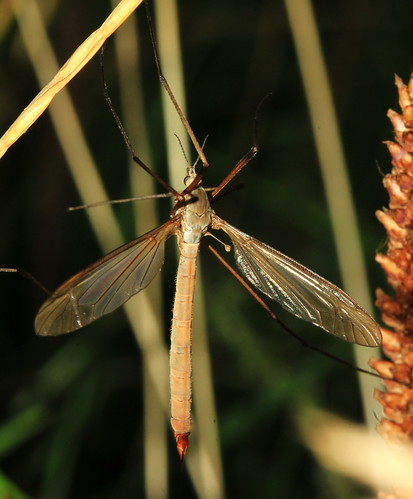
Tipula sp TBC
Tipula sp TBC
Sepis fulgens Ensign Fly
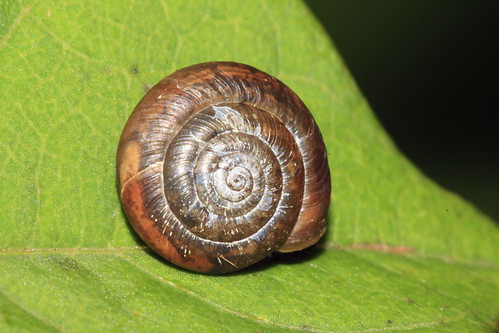
Strawberry Snail Trochulus striolatus
Strawberry Snail - Trochulus striolatus
Sawfly
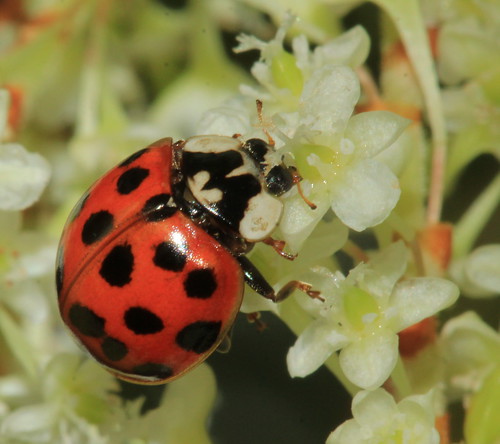
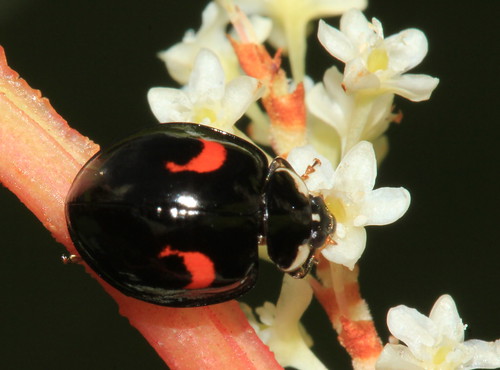
Harlequin Ladybird Harmonia axyridis
Micro caddid 3 -5 mm
With the end of season approaching floristics are becoming harder to find Nettle and Ivy set aside and insects more urgent in their serch for sustainance . Ivy is always a ready source of Red Admiral end of October early November sun permitting
Rather than tell you want the plant is I have put the images up for YOU to identify , suggestions in comments
Although to most it seems baron and bereft here is a sequence of creatures feeding or utilising it today I counted at least 36 species in an hour its thick stems can also provide shelter and nesting site for small birds like Wrens to nest and Shelter
Araneus diadematus Orb Web Spider
Metalina mengei/metellina Orb Web Spider
Philaenus spumarius Froghopper
Ichneumon Wasp x2 Species
Apis melifera Honey Bee
Hoverfly Eristalis pertinax
Hoverfly Eristalis renax
Hoverfly Bacchus elongus
Hoverfly Xylota segnis
Diptera x4 Species
Sawfly
Tipula sp TBC
Tipula sp TBC
Sepis fulgens Ensign Fly
Strawberry Snail Trochulus striolatus
The grove snail or brown-lipped snail Cepaea nemoralis Leioburnum rotundum
7 Spot Ladybird
Harlequin Ladybird Harmonia axyridis Forms Spectabilis succinea conspicua
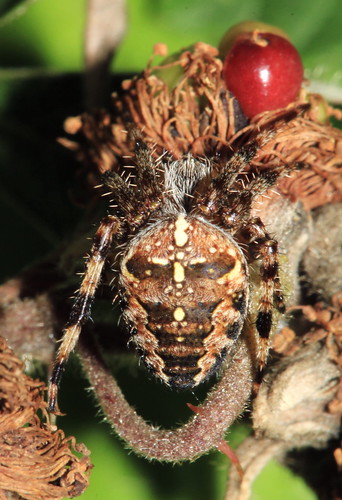
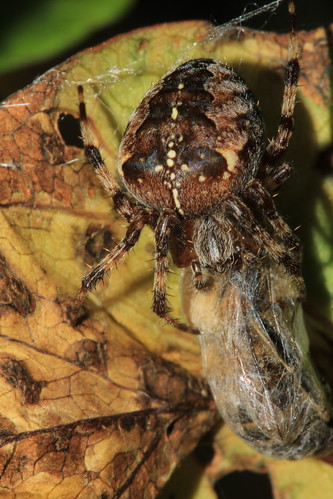
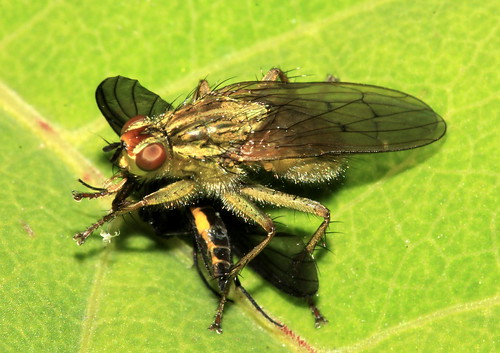
Two Interesting images where the Garden Spider Araneus diadematus Observed wrapping a Common Wasp in a s slick silk food parcel. Another included a Dung Fly straddling its prey a small solitary wasp . On deciding to examine the prey , the fly took off carrying this prey in its legs with some ease
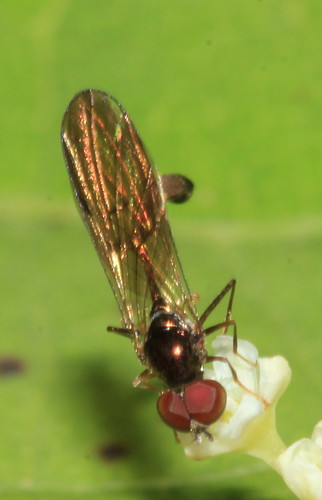
Baccha elongata Hoverfly Thin waist just visible
7 Spot Ladybird
Harlequin Ladybird Harmonia axyridis Forms Spectabilis succinea conspicua
Two Interesting images where the Garden Spider Araneus diadematus Observed wrapping a Common Wasp in a s slick silk food parcel. Another included a Dung Fly straddling its prey a small solitary wasp . On deciding to examine the prey , the fly took off carrying this prey in its legs with some ease
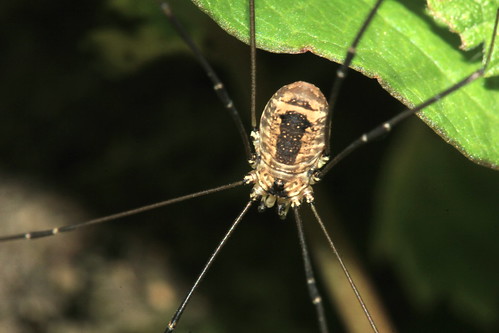
Harvestman - Leioburnum rotundum
Baccha elongata Hoverfly Thin waist just visible
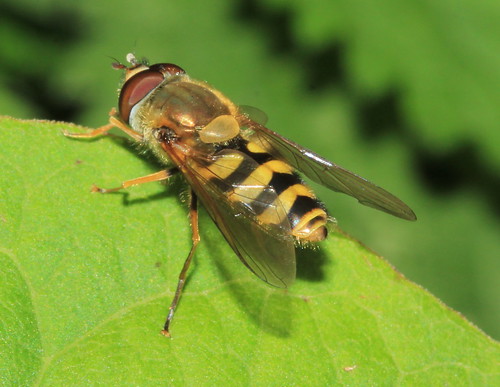
Syrphus sp
Strawberry Snail - Trochulus striolatus
Sawfly
Philaenus spumarus Froghopper
Cranefly Tipula (oleraceae) TBC Female
Ichneumon
Harlequin Ladybird Harmonia axyridis
Micro caddid 3 -5 mm
Subscribe to:
Posts (Atom)